
Why TF is everything a subscription?
because everybody is just taking money out of my account

For at least a year, I stopped reaching for my comfort show, The Wayans Bros, when I probably needed it the most and not because I stopped loving it. Hearing “We’re brothers. We’re happy and we’re singing and we’re colored” actually never gets old to me.
But after being strong-armed into a YouTube Premium subscription by aggressive ads during a virtual church service, I didn’t have a single penny, sign-up nor trial period to give. At that point, I’d rather soak my contacts in Taylor Port than commit to another monthly charge for the unforeseeable future.
Fuck all the way off.
Convenience Un(culture)
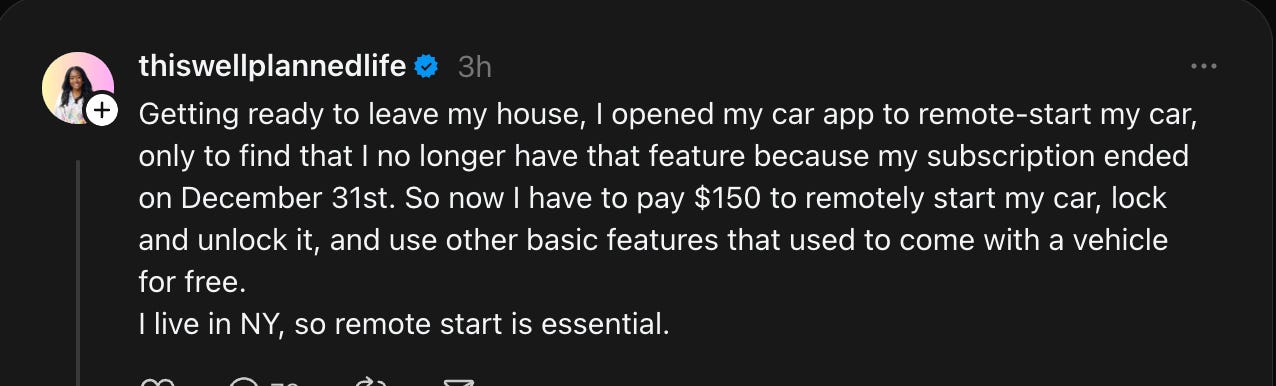
Media is an obvious culprit in this subscription shitshow, but it’s far from the only one. There’s a growing list of things that have quietly adopted subscription-based pricing, from printing limits in your own home to Amazon “essentials” on autopilot and luxury ice.
Businesses have smelled the blood of our lust for “convenience” and have sunk their teeth deep into our wallets, making sure as long as we owe them, they won’t go broke.
In this day and age, that exact mindset has been adapted by more and more companies in order to create predictable, recurring revenue streams1 with little to no improvement to products or services over time. We were sold on “convenience” but in reality we’ve convenienced our way into endless spending, out of small meaningful experiences and away from healthy amounts of friction2.
Shared Moments > Shared Passwords
I’m old enough to remember the days when Netflix was a mail-in DVD service where you had something physical—something tangible—to show for the money you forked over. You didn’t have to worry about Netflix and their password restrictions, you could just pull up to your friend’s house, DVD in hand, and the movie night would commence.
But today, why experience the joy of borrowing the book your friend recommended when you can grab a Kindle or Audible subscription instead or have it shipped overnight?
Why bump into the perfect stranger in the produce aisle when you can have your groceries delivered straight to your door step? Or the perfect stranger delivered to you on a dating app?
Or why take the time putting together a thoughtful gift for your friend when your Amazon Prime subscription can get you something “cheap”, quickly?
I can say so much about the small but impactful ways convenience has taken from the human experience, but fortunately this platform has a limit. However, I will call out that “membership” in 2026’s context doesn’t necessarily mean a part of a group–it’s simply having access to something promised to optimize your life. And in many cases, optimize your way into a silo.
I think subscription culture works because it feeds both our individualism and our fear of exclusion. You’re not watching the show together anymore—you’re just making sure you’ve seen it so you’re not left out of the discourse.
Access replaced invitation.
Is Physical Media on The Way Back?
 Tiktok failed to load.
Enable 3rd party cookies or use another browser
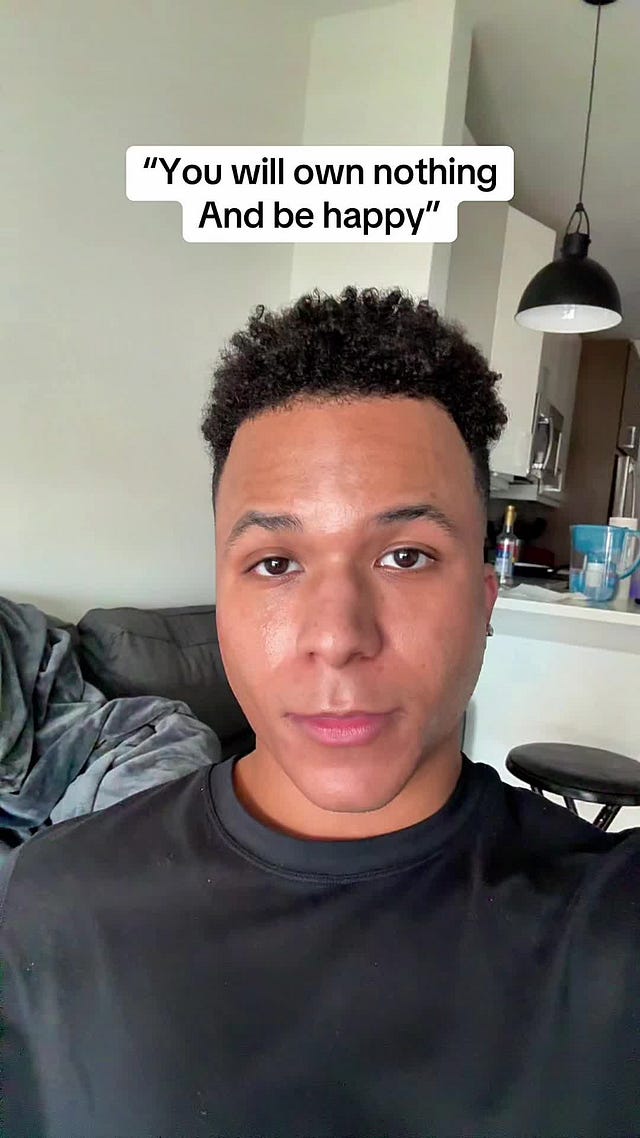
I’ve seen a few everyday people rant about how we “pay for everything and own nothing” and it cracked open something inside of me. I was face to face with the tension I felt every time I promised myself I’d unsubscribe. Somewhere between endless subscriptions and convenience, we’ve lost the multi-sensorial joy that comes with experiencing physical things.
The smell of a printed book.
The feeling of unwrapping the plastic off a DVD.
Flipping through a photo album on your friend’s coffee table.
The way the light hits the underside of a CD and creates a pretty rainbow.
As I’ve been reshaping my relationship between me and my devices, I’ve been naturally leaning towards physical media. One day, I woke up and was brutally honest about how much time I spend doomscrolling on my phone. Since then, I’ve been intentional about my phone use and have been purposefully absorbing media instead of handing my attention over to algorithms.
For a long while, I forgot how it felt to open a CD and flip through the little booklet filled with album credits and photos from promotional shoots that, even in 2026, aren’t plastered all over the internet. I found a typo in Kanye West’s name in the credits for The Diary of Alicia Keys and something about it made me chuckle.
As my middle school Latin teacher used to say, “errare est humanum”—to err is human. In a world where we constantly have to question whether what’s in front of us is even real, that small imperfection felt grounding.
As someone who has dealt with anxiety for a long while, stepping away from fast and digital makes me feel calm. I watched a DVD for the first time in years and felt myself slow down. Opening the case, finding the season I wanted, popping it in, and pressing play. No ads. No option overload. Just me and the content I consciously chose to sit with.
Hands up, cash out.
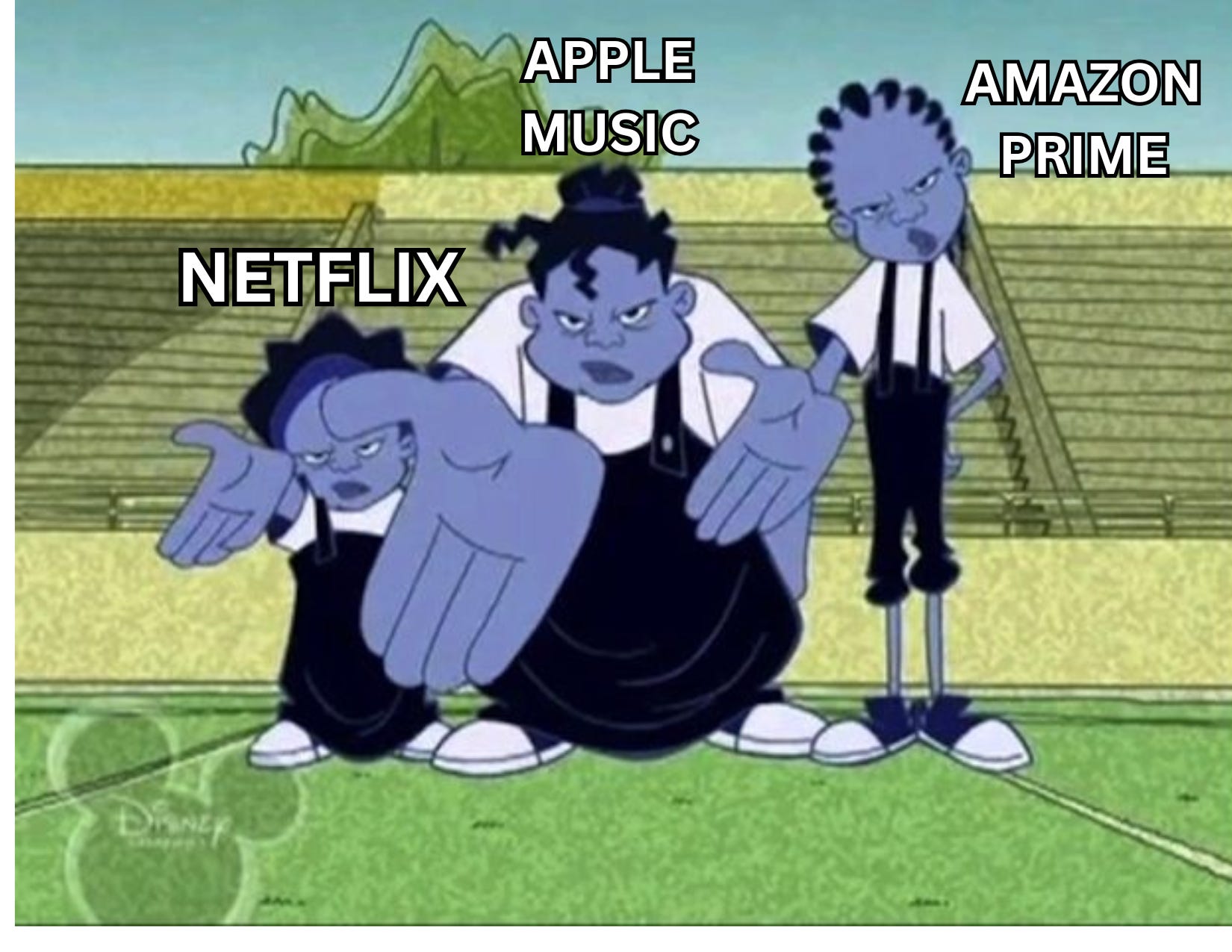
It seems like every 3-5 business hours some invisible force is taking my money from me. On demand content once meant you chose what you consume and nowadays it feels like we’re paying to have the choice made mostly for us…with ads. What was once convenience now feels like robbery.
Hands up, cash out.
At this point, I’m surprised there isn’t a tiered Life™ subscription. One flat rate for housing, entertainment, groceries, and the right to exist without pop-ups. I’d say I shouldn’t give them ideas, but there’s already a Black Mirror episode poking at this.
Priced at $2 an episode or $20 per season on YouTube, The Wayans Bros instead made its way back into my life through a $35 complete-series DVD set. All five seasons. Mine. Something I can keep until I disappear into the cloud one day.
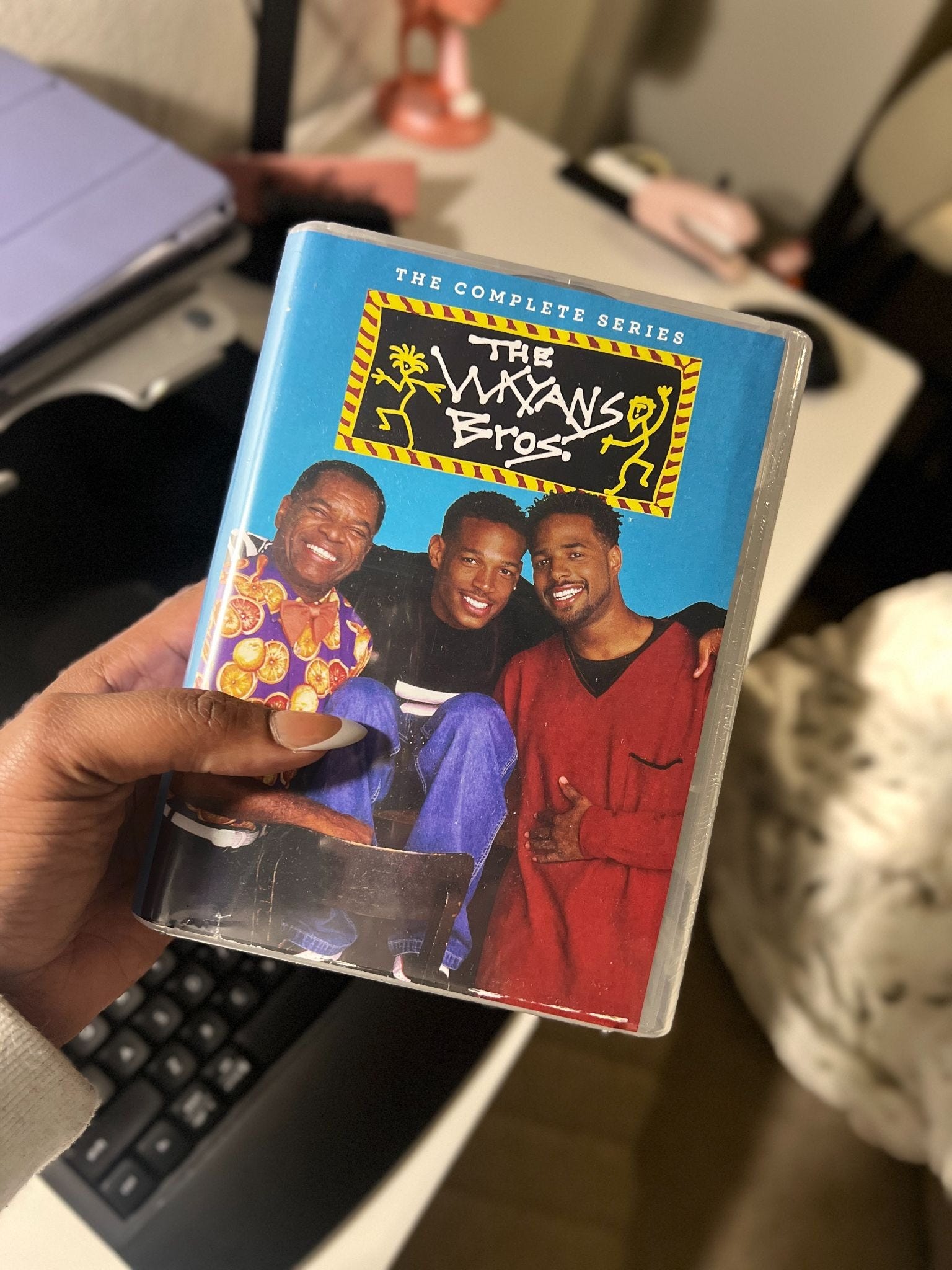
I feel like I beat the system in some small way. But more than that, the physical media I’ve brought back into my life makes my consumption feel intentional and that feels like something worth holding onto.
READ NEXT:


I’ll pause on the economics but this article is a great reference https://www.library.hbs.edu/working-knowledge/with-subscription-fatigue-setting-in-companies-need-to-think-hard-about-fees
Learning science is a small example of how friction positively impacts the brain. Memory, agency, emotional regulation are just some things to gain from healthy amounts of friction.
If this post resonated with you, consider supporting my work by buying me a coffee (or a martini)? 🍸☕️
buymeacoffee.com/astoldbymika
i love buying physical books because nothing is gonna pop up and say "you need to subscribe to continue reading" as i turn the pages. everything feels like a monthly bill at the point and it's hard to escape. i miss when this wasn't the norm. also you made a good point about amazon!!!! people literally have limited all their gifts they give to people to whatever they find on amazon instead up getting creative and going out to look for things.